4·
20 hours ago
I’m redoing everything I have from scratch. This week I have FreeIPA set up from OpenTofu + Ansible configs, and enrolls most of my other servers against FreeIPA. I am still migrating TrueNAS to use FreeIPA’s Kerberos Realm for auth, and I need to chown a lot of files for the new UIDs and GIDs homed in FreeIPA. After that, I’m setting up FreeRadius for auth to switches, APs, and Wifi. And then after that, I’m back to overhauling my k8s stack. I have Talos VMs running but didn’t finish patching in Cilium. And after the real fun begins.

I can’t write a whole lot right now but your question is probably a bit too broad. Threat model needs to include the scope of what you’re protecting. For example, if you have some expensive heirloom watch, you might analyze how the threat changes if you’re home or wearing it out. Maybe lock your doors to your house is the first step. Second is keep it in a safe. Third is keep it in a larger safe bolted to the ground in a hidden area and make sure it can survive a fire and flood. Fourth might be buying an insurance policy in case something does happen. The model is continually evaluating risks vs mitigations to those risks.
From a digital perspective, you might consider how you get access to websites across the internet. Your email is a huge single point of failure. What if you lose access to your email? Because you forgot your password, or you were social engineered to click a bad link, or you shared the same password with another website that was compromised. Part of the challenge is having experienced or learned all the types of risks. And then the second half is understanding the mitigation options. For email, using a unique password and enabling 2-factor authentication (that is not SMS) mitigates a lot of possible threats, but not all.
You can learn quite a bit by just being familiar with types of scams and reading stories.
Cheers
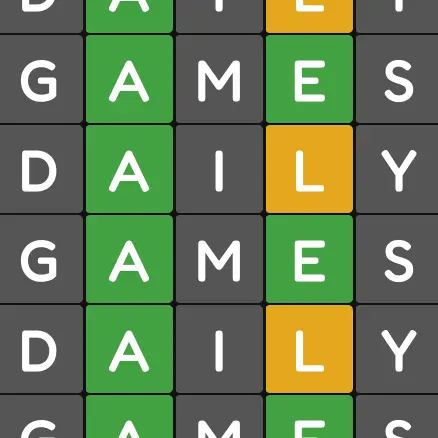
Wordle 1,719 5/6

⬛⬛⬛⬛⬛
⬛⬛⬛⬛🟩
🟨🟨⬛⬛🟩
⬛🟩🟩🟩🟩
🟩🟩🟩🟩🟩

Oxymoron? No, just morons.

I was Bernardo for a few weeks until we got to talking about “things you like”. Well, I said “yo soy pollo”. Class errupted and I was left with dumbface not understanding why it was funny for awhile. And then I became Pollo for the rest of the year.

God fucking damnit, so fucking frustrating. Another 30+ years of “terrorists” because people will avenge war crimes committed by the US. This is maddening.
Wordle 1,715 3/6
🟩⬛🟨🟨⬛
🟩⬛🟩⬛🟨
🟩🟩🟩🟩🟩

I didn’t appreciate how much of chemistry and biology is just geometry until reading about AlphaFold. AFAIK, antigens bind because they literally “fit”. And if they don’t fit, it just slips off until the body can produce a matching geometry.
The US has a Nazi problem. It’s called the Republican party.
Sounds like more charges for aiding and abetting are needed by Minessota AG.

I’m on season 4 of Episodes and it’s still quite funny. It’s shot and dialogue are a bit calmpy at times, but then they build up some hilarious moments that work really well.
I’m also on season 3 of The Diplomat. It’s okay, kind of lost me a bit compared to first two seasons but I’m interested to see where it ends up.
I also really enjoy The Pitt, but waiting a week between episodes is annoying with the constant cliffhangers. Season 2 of Fallout was good but not as good as season 1. I’m looking forward to season 3.
Look at selfhosting apps. Pihole is popular since it has some immediate benefits for other devices in your network. HomeAssistant is amazing if you’re into automation. But there’s hundreds of cool selfhosted apps that can improve your life depending on your interests. Getting familia with Docker will open up a lot of doors for easily launching servers hosted on the pi. What are your hobbies?

Just highlights that they want everything else that’s happened. Never vote GOP.
I am wondering if this is presented better in different UIs. I’m regularly using the Summit Android app and there’s at least a button to see cross-posted communities with a comment counter to see if there’s more action traction somewhere else. It might be nice if it had some indicator that there’s a more active thread than the one I am currently on. I am not sure how other front ends handle it.
Or maybe the issue is dual posted content that isn’t cross-linked because it was submitted independently. Not sure of a solution to that that isn’t a lot of work.
Me and two of my siblings went for PhDs, and only one came out successful. I got to teach a ton during my attempt which I really loved, and having the PhD would open up a few of those doors. In my career (tech) there were only a couple short times where I thought having the PhD would help, but over time I managed fine without it.
As to why I didn’t get the PhD, my advisor was truly awful and I didn’t recognize the signs since I was just going hard at the work. Tons of red flags were there in hindsight. I wised up and quit a few years into PhD (after already earning a masters) and went software engineering, and by all measures have had an excellent software career. Several years later he was convicted of federal crimes and disgracefully removed from the university. So somewhat of a vindication of my experience; I regularly imagine what could have been, but not because I have any specific regrets.
I still love learning and think I may still go for the PhD some day. Another sibling just had too much happening in life. Tried to do a work sponsored PhD and couldn’t get it over the line before having to move on. She may revisit it some day, but it’s tough juggling a slightly different job career and now she has kids to make it more complicated.
For my sibling that made it, it was tough. They had alot of anxiety and stress. They use their degree to teach now so I guess it was nevessary, but it’s not glorious by any means. They don’t make a ton, and have had to move universities and programs. They were able to leverage a lot of skills from their degree (biology) but it’s still a pretty regular battle even when not doing research. They aren’t able to support a family on a single income, but that is increasingly common.
If you have the time and passion, I don’t see why not. I am getting some textbooks in some fields and will see where it goes. Maybe I’ll go for a PhD when my kids go off to get their bachelors! I guess my advice is making sure you fully evaluate the program, the advisors available, the time commitment, what different exits look like, and if needed, what doors the PhD is actually opening up.
I hope Canada comes through where the US has failed.
It can absolutely be overwhelming, and very easy to forget specifics over a long time. It’s partly why I don’t really go for CLI apps, and ~all of my apps are just Ansible manifests. Which apps are causing the biggest problems for your family?
What exactly is breaking each of these times? Guides that cover 95% sound pretty solid to me. It’s hard to write a guide covering 100% of scenarios. Admittedly I also worked in the field, but the field is extremely wide so maybe there’s some knowledge areas to deepen that are commonly giving you problems and/or move towards a less brittle setup.
Re-evaluating what’s important is important. If it’s not fun then you should reflect on having the right balance of what is helping you and your family vs causing excessive stress. IMO the “avoid all tech companies” is slightly overblown (blasphemous, I know). It’s a good guiding principle but it’s fine to “buy services” that make your life better. For example, I self host a lot, but I was totally fine buying a finances tracking app (the spreadsheet-based one) because it’s doing a lot of heavy lifting that I can’t reasonably do myself at the level of convenience I want.
deleted by creator
Something like 0.5% voted third party. IMO it’s a non issue. Never Republican is a clearer mandate. But yes, I will be campaigning hard for the best Democrat in the primaries and will be voting Democrat.